
Machines
Training Week
A practical guide to training week on South African factory floors, for teams commissioning new CNC and laser machines.
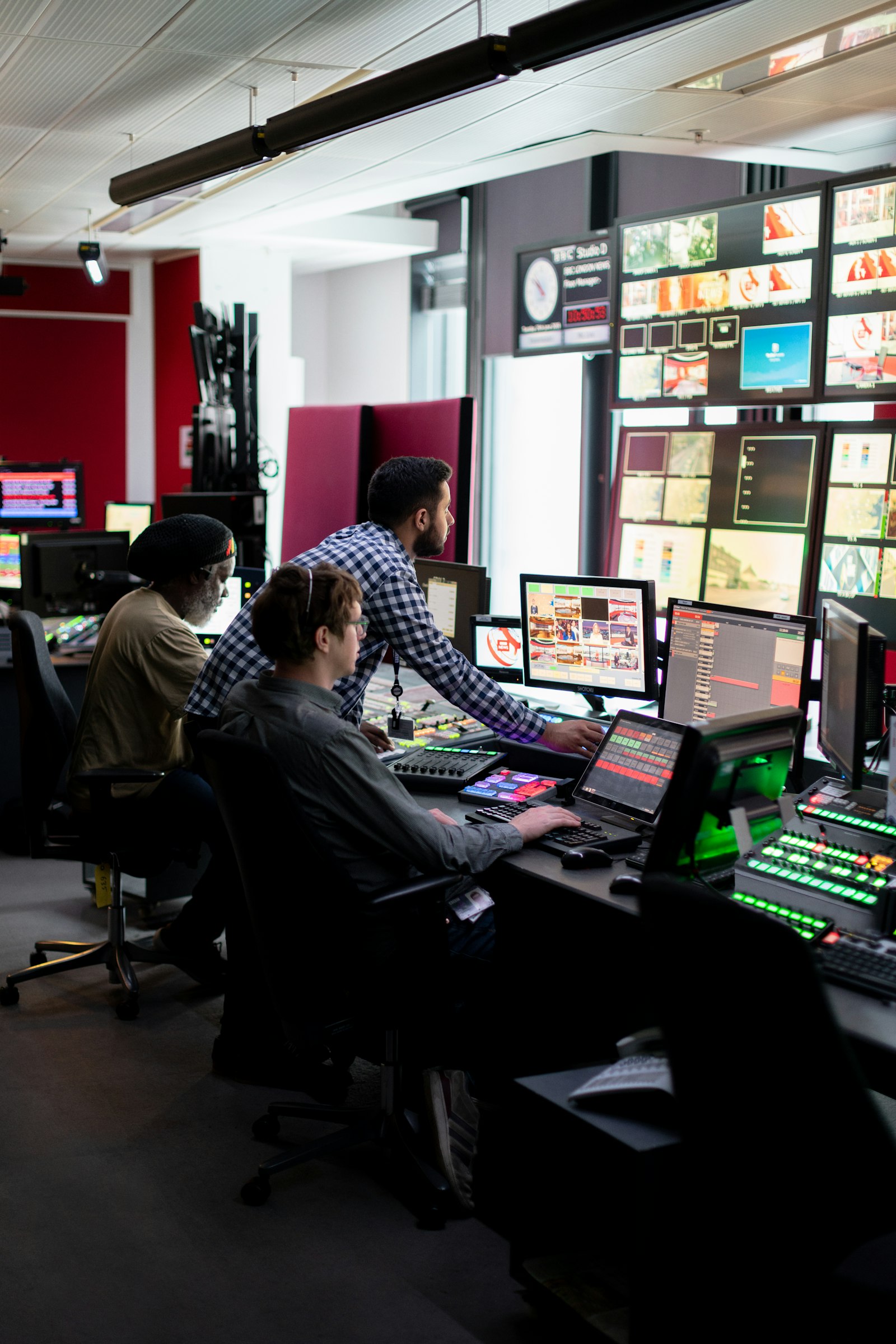
What Training Week looks like on a live factory floor
Training Week is built for teams commissioning a new CNC or laser machine in South Africa. It gives operators and supervisors more time on the machine, with setup, production checks, and routine fault handling worked through on site.
Training Week starts at the machine with your operators, shift pattern, and the work you need to cut or process first. The on site plan covers power stability, extraction, air supply, sheet or stock handling, and the conditions common in Gauteng, Durban, and Cape Town workshops. Time is used on actual setup tasks, first runs, and the checks that matter once the supplier team has left.
Keep clear photos from day one of handover, control settings, tooling positions, and the first approved parts. Those images help the team repeat setup, track adjustments, and spot what changed after a stoppage or operator swap. A short machine-side reference sheet is worth having near the control for shift handovers.
Operator handover after commissioning
By the end of Training Week, the team should have a working startup routine, a shutdown routine, and a record of the settings used for approved production. Supervisors can note who was trained on loading, datum setting, consumable checks, and routine fault reporting. The point is usable machine knowledge that matches your own jobs, not generic classroom notes.
Use Training Week to confirm the installed machine against the ordered model, accessories, and agreed functions before production pressure builds. Record controller screens, maintenance points, and sample part results while the trainer is still on site. Sourcing requests should cover the machine type, the controller you prefer and the port or town it must reach.
- Training built around your installed machine
- First approved settings recorded during commissioning
- Questions logged for operators and supervisors
Factory conditions that shape training
Training Week has to fit the site you have, including older factory power, limited gantry access, and shared production space. Teams often need to work around loadshedding plans, extractor routing, compressor capacity, and forklift movement near the machine. Where a plant has existing chillers, dust extraction, or material racks, those are worked into the training instead of ignored.
Coastal humidity can change how cabinets, optics, and stored consumables are managed. Inland dust puts more attention on covers, rails, filters, and sensor cleaning intervals. Power interruptions matter as well, so restart steps and first-part verification should be practised before the week ends.
Operated by Astros Marketing (Pty) Ltd from 2 Makro Place, Sunnyrock 1401.
Information needed before the trainer arrives
Share the machine model, controller type, planned products, material sizes, and any concerns about operator skill before the visit starts. Photos of the installed machine, extraction, electrical supply, and loading area help shape the training agenda. Include any recurring alarms or quality issues that need attention during the week.
Write down changes on the day they happen, especially offsets, consumable swaps, and fault codes. That record becomes useful when shifts change or when a similar job is run again a month later. Keep it with the machine documents so production, maintenance, and management can all refer to the same notes.
What our Machine Sourcing customers say
Verified Google reviews