
Catalogue
Machines
China Import is a practical import supplier for workshops bringing CNC, laser, and vinyl equipment from China into South Africa with install and training support.

CNC Import
CNC import for South African workshops usually starts with spindle power, table size, controller language, and the materials being cut each day. We look at aluminium, MDF, acrylic, hardwood, and composite jobs differently because tooling, dust extraction, and voltage requirements change the machine spec. The range is grouped around what must land correctly for production, not just what looks good in a factory video.

Laser Import
Laser import decisions depend on the workpiece, the source, and the support equipment that must run beside the machine in South Africa. Fibre units for sheet and tube, CO2 systems for acrylic and signage, and chiller capacity all need checking against site power, air supply, and operator use. The machine listing keeps those workshop conditions in view from the start.

Vinyl Import
Vinyl import is less about headline width alone and more about tracking, pinch roller pressure, media handling, and software that operators can use without workarounds. Sign shops here often run long decal jobs, reflective material, and contour cutting, so the machine setup has to suit that mix. The range covers cutters and related equipment that fit everyday production rather than display-only specs.

DTF Import
DTF import needs more than a printer body on a packing list. Ink circulation, powder application, curing consistency, humidity control, and film handling all affect print quality once the unit is in a South African print room. The machines shown here are considered with that full operating chain in mind.
Container Plan
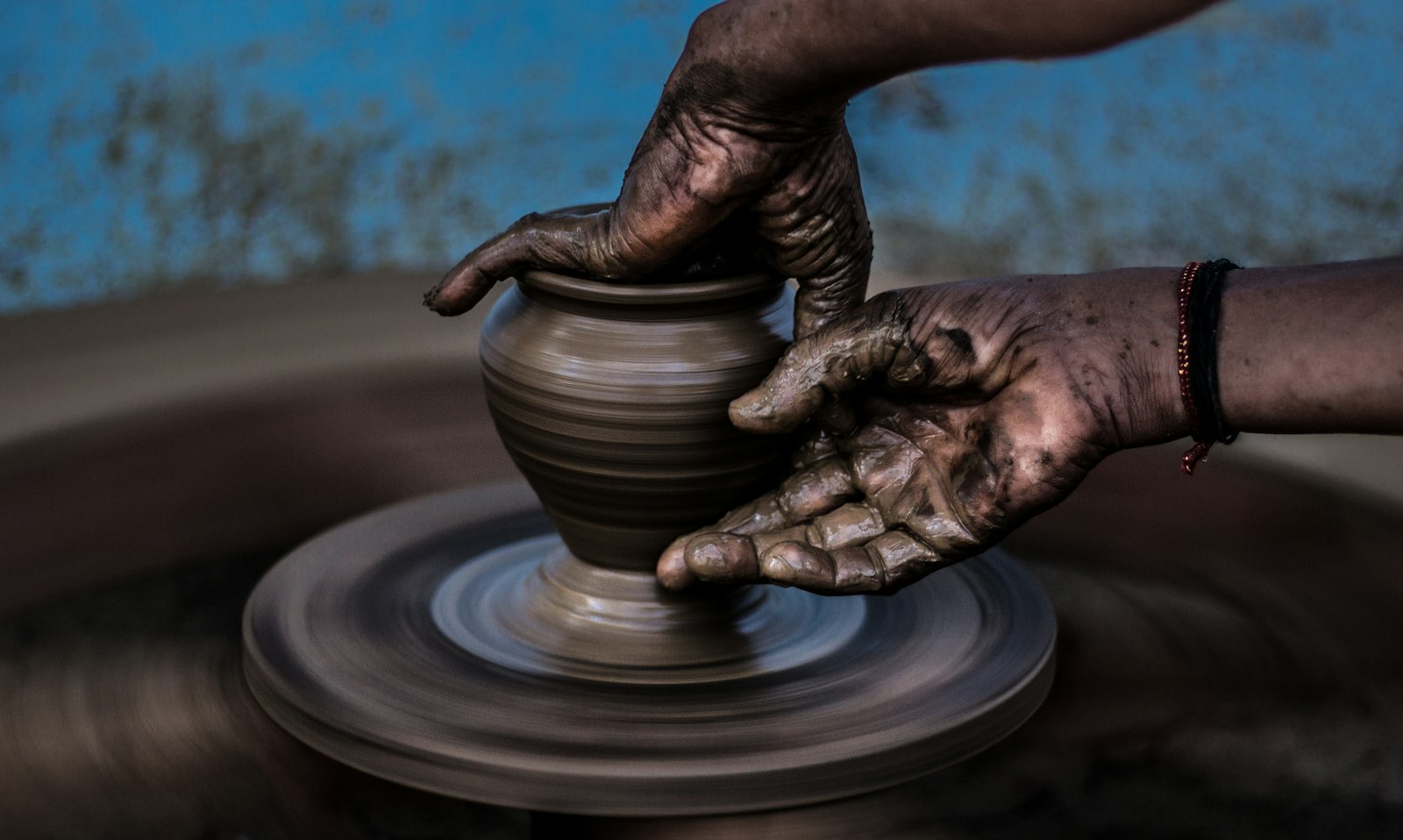
Container plan matters when machine dimensions, crate weight, and lifting points start affecting what can actually leave China and unload properly in South Africa. A router bed, laser frame, chiller, extractor, and spare parts kit do not travel like general cargo, especially where bracing and moisture protection are involved. This part of the machines page reflects how the equipment is packed as a working shipment, not as separate line items.

Factory Audit
Factory audit becomes important when the machine specification on paper must match the build quality leaving the supplier. Control cabinets, rail brands, servo configuration, cooling layout, and test-cut evidence all need attention before a unit is approved for shipment. For imported industrial equipment, those checks reduce avoidable surprises at commissioning stage in South Africa.
Install Team
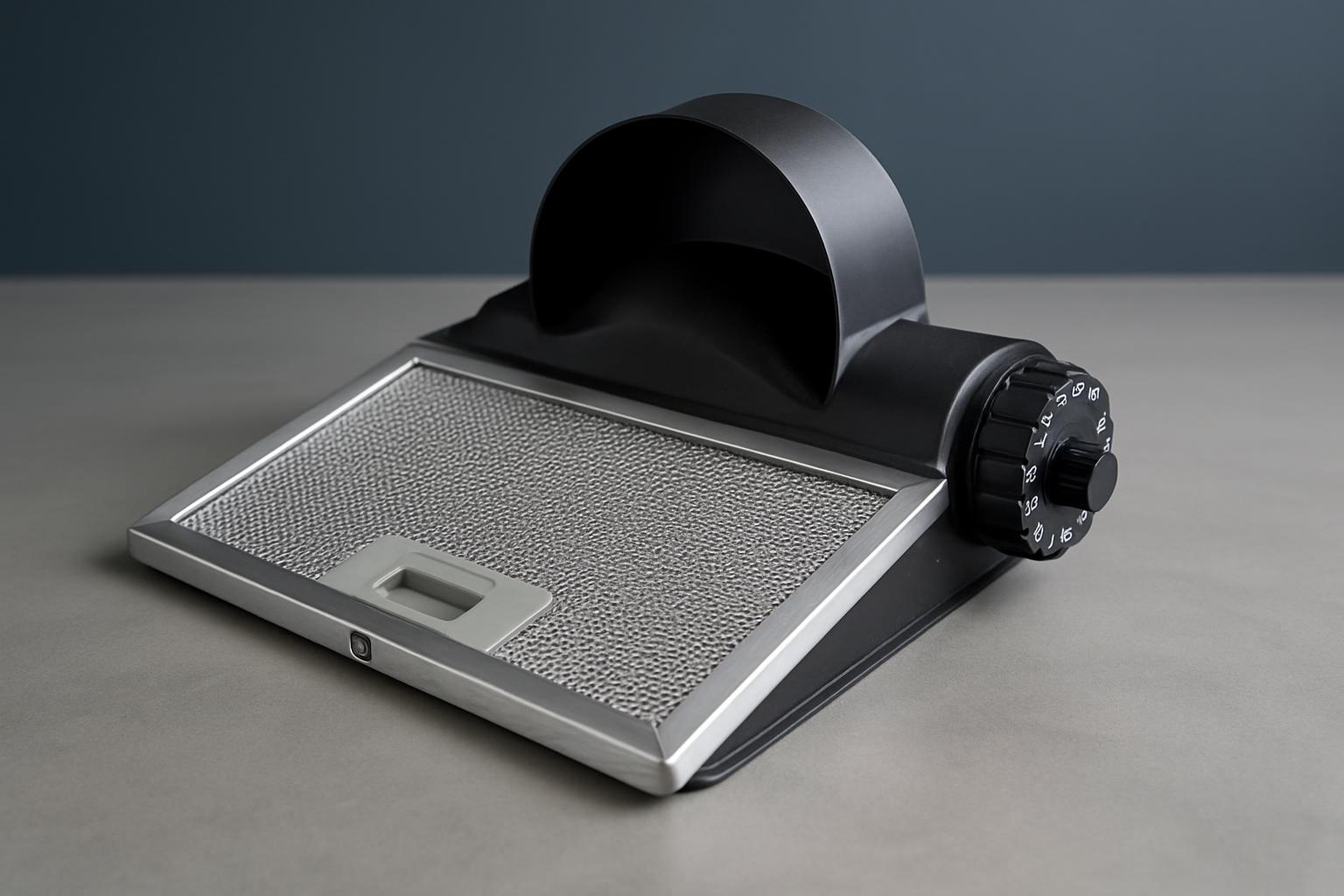
Install team requirements differ between a compact vinyl setup and a large CNC or laser cell. Positioning, levelling, cable routing, extraction connection, chiller fill, and first-run parameter checks all need to suit the site and the machine type. This machines section is written with those handover details in mind, not only the purchase stage.
Training Week
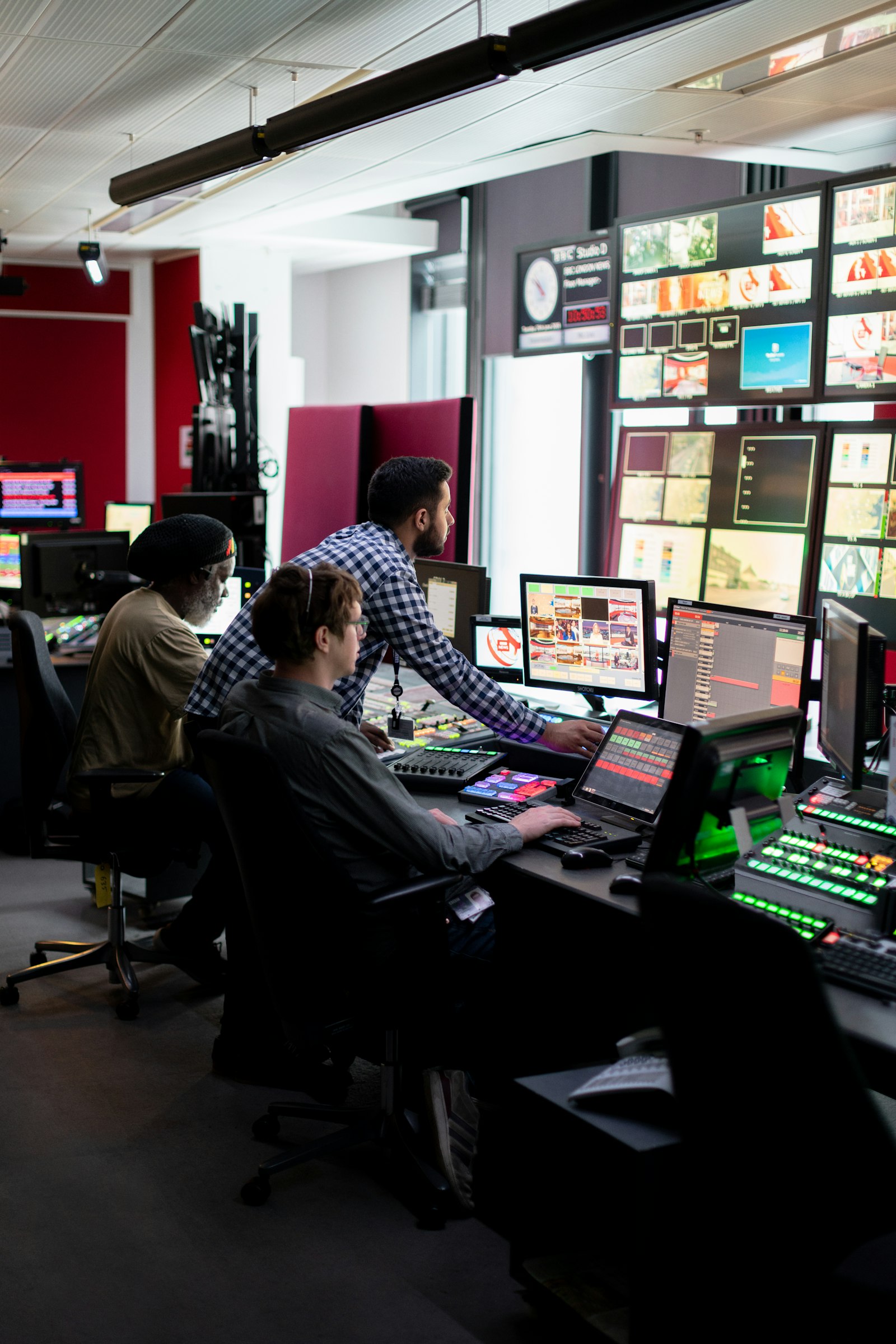
A practical guide to training week on South African factory floors, for teams commissioning new CNC and laser machines.

Spares Bridge
Spares Bridge matters because imported machines keep running only when wear parts and fault items are considered early. Lenses, nozzles, filters, belts, bearings, pumps, sensors, and controller components are not equally urgent, and each machine type has its own weak points. The page treats machine supply and spares planning as one operating decision.

Warranty support
A practical warranty support path for South African factory floors, written for teams managing installed industrial machines.

Customs Pack
Customs pack work affects machines long before the crate reaches a South African workshop. HS coding, commercial invoices, serial references, packing detail, and supporting documents must match the equipment that was actually built and loaded. On industrial imports, paperwork errors can interrupt delivery plans as quickly as a missing part can.
Coastal Landing
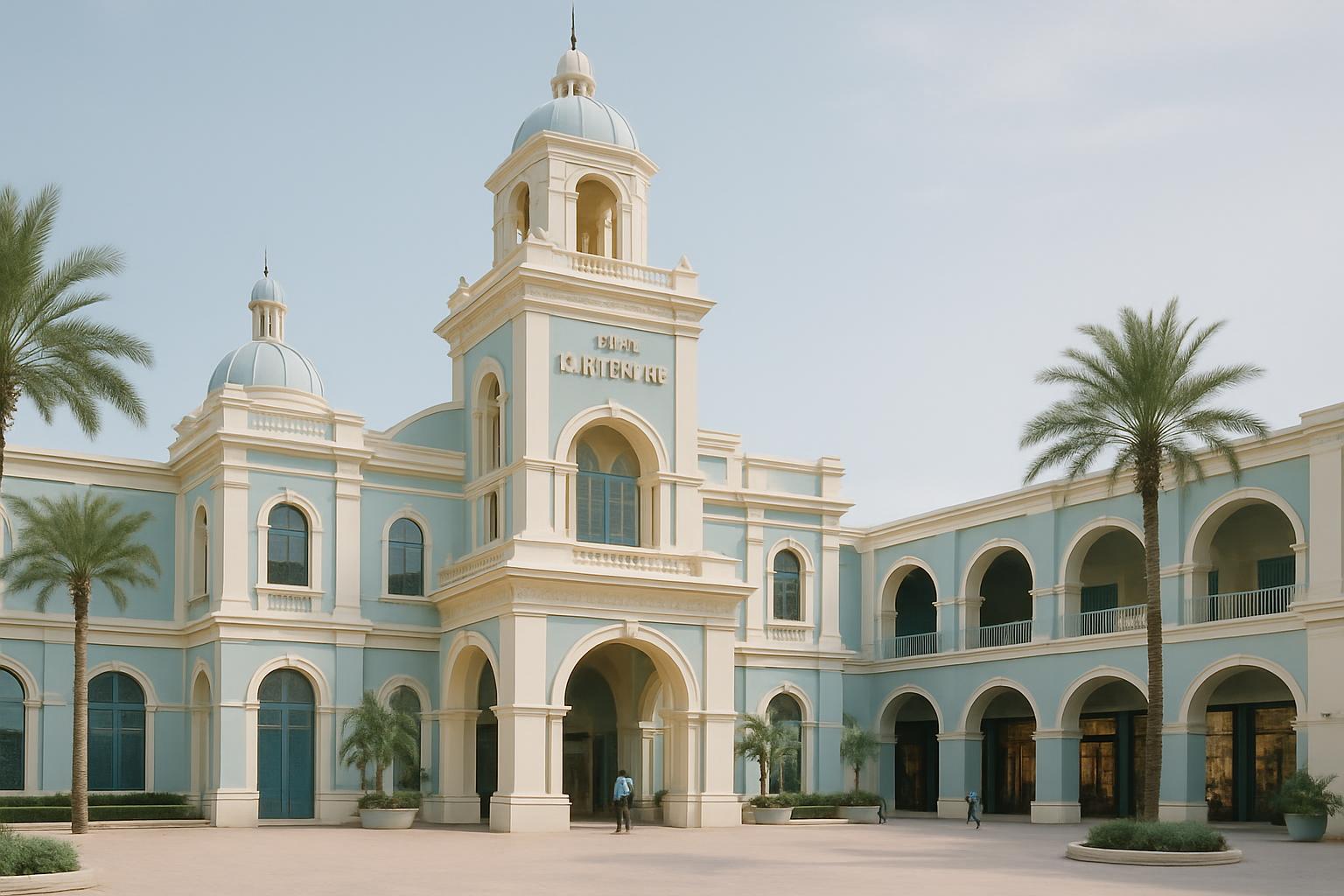
Coastal landing changes how machines should be prepared for Durban, Cape Town, and other humid coastal environments. Salt air, condensation risk, and unstable workshop power can affect cabinets, rails, optics, and electronic components if protection is treated lightly. Machine preparation should match those South African coastal conditions.

Coastal Pack
Coastal Pack deals with the rust, moisture, and electrical protection issues that often surface once the machine is on the floor.

Highveld Pack
Highveld Pack addresses dust, dry air, and workshop conditions that start affecting CNC and laser performance after early production.

Night Shift
Night Shift focuses on the support, settings, and operator handover issues that usually appear once after-hours production begins.
Export Week
Export Week handles the paperwork, packing, and shipping details that only become obvious when the machine is close to dispatch.
Training Day
Training Day covers the operator questions and setup gaps that tend to show up after the first proper run on site.

Spares Bridge X
Machine supply does not end when the crate is opened. That includes the spares and support needed to keep imported CNC and laser equipment running on South African factory floors.