
Ship notes
Humidity Tips
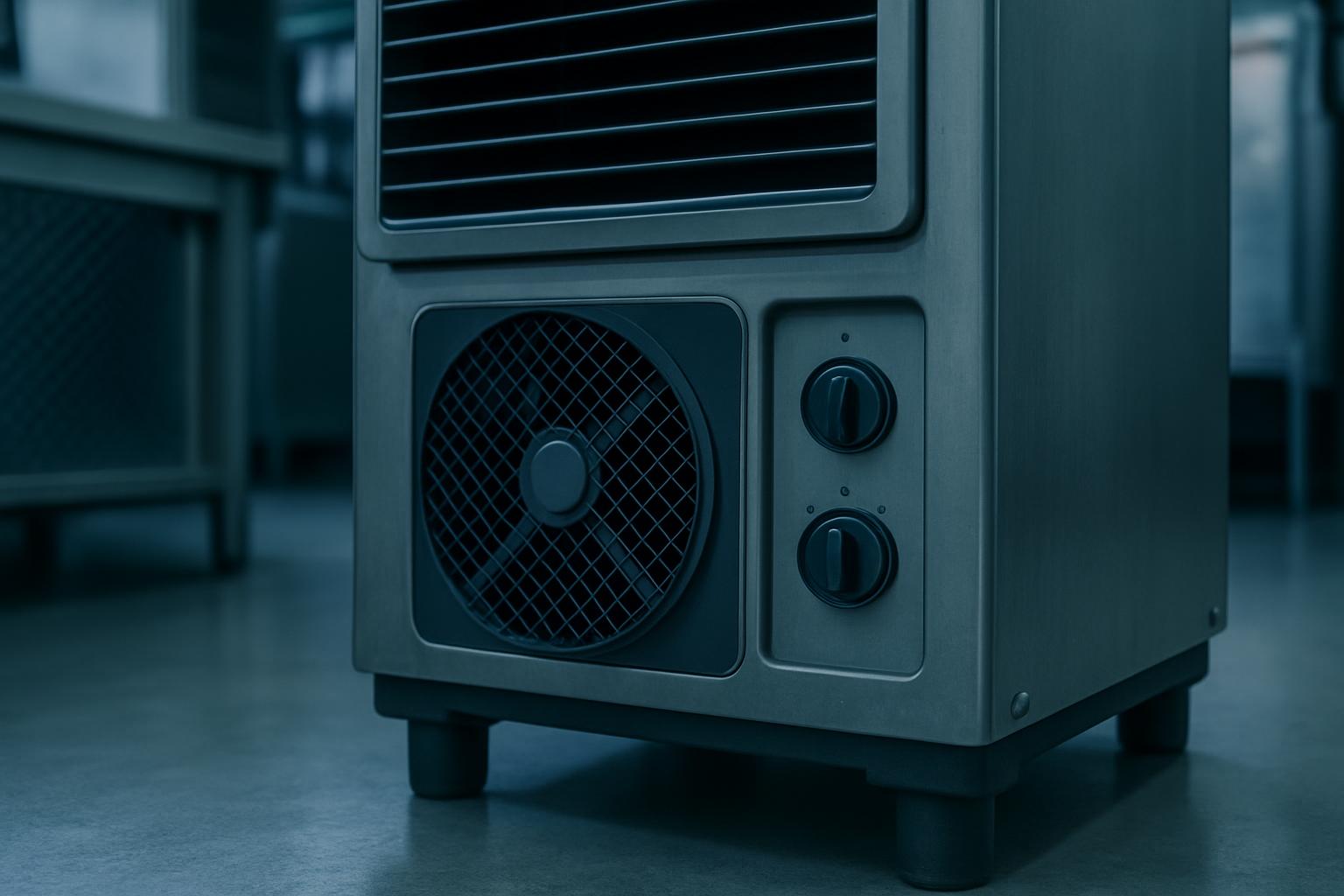
Sea freight leaves many CNC and laser machines with hidden moisture risk when the crate is opened in South Africa.
Moisture creates trouble quietly, especially after sea freight, storage and unpacking. Condensation can affect electronics, sheet stock, optics and bare metal if the machine is not settled correctly on site. Humidity Tips is our note for South African teams commissioning imported CNC and laser systems.
Humidity problems often start before power-up, especially when a machine moves from a cold container into warm coastal or summer air. We check packaging condition, desiccant status, cabinet dryness and exposed metal before installation teams proceed in Gauteng, KZN or the Western Cape.
Post-landing moisture checks
- Crate lining inspected for sweat marks
- Cabinet interiors photographed before energising
- Desiccant bags counted and condition noted
- Machine location logged as inland or coastal
Use this note alongside the relevant machine pages when planning commissioning steps. The machine spec tells you what was ordered, while Humidity Tips highlights where damp air can affect controls, optics, sheet stock and bare steel after landing.
Storage periods that cause trouble
Humidity affects control cabinets, optics and stored consumables long before a CNC or laser machine starts production in South Africa. On this Humidity Tips page, we cover the checks worth doing after landing, during storage and before installation so moisture does not turn into faults, rust or unstable cutting.
A machine that waits in a warehouse or workshop can gather moisture even with the crate intact. Durban and other coastal areas need closer attention to condensation, while Highveld sites often combine dust with sharp temperature swings between night and morning. Power conditions, door openings and unsealed buildings also change how quickly cabinets and consumables absorb damp.
First unpacking photos matter because they show whether water entered during sea freight or only after local storage. Keep a simple record of crate condition, silica packs, rust spots, lens packaging and cabinet seals before anyone wipes surfaces or removes panels. Those images help separate freight exposure from site exposure.
Checks before first power-on
Before energising the machine, let temperatures settle and inspect any area where condensation can bridge terminals or mark optical surfaces. A short checklist should cover control cabinets, drive bays, chiller connections, assist-gas lines and any wrapped accessories delivered with the CNC or laser cell.
If the machine arrived with spare lenses, nozzles, boards or sealed consumables, store them away from open workshop air until installation starts. Check the shipping and route records against the machine file before sign-off, and send a message through our contact form if you need to match humidity records to a specific machine file.
- Focused on cabinet and optics risk
- Unpacking condition recorded before cleaning
- Consumables stored sealed until fitment
South African weather and workshops
Site conditions differ sharply between inland factories and coastal receiving points, so one humidity routine does not fit every delivery. OR Tambo arrivals, Durban storage, Cape Town winter damp and older workshops with poor sealing all change the order of checks after the crate is opened. Machines parked near roller doors or under roof leaks need extra caution before installation begins.
Coastal moisture can haze optics, stain untreated metal and shorten the safe storage life of some consumables. Inland workshops may look dry yet still create condensation when cold machine parts meet warmer daytime air after unloading. Load-shedding also matters because chillers, extraction and cabinet heaters may not be running when the machine is standing idle.
Operated by Astros Marketing (Pty) Ltd from 2 Makro Place, Sunnyrock 1401.
Commissioning notes worth keeping
Sea freight leaves many CNC and laser machines with hidden moisture risk when the crate is opened in South Africa.
Log any damp, corrosion or packaging damage on the same day the machine is opened. Keep that record with shipping papers, inspection photos and installation notes so the buyer and site team can track what was found before commissioning started.